
Miss Universe 2025 Under Scrutiny — Fair Win or Broken System?
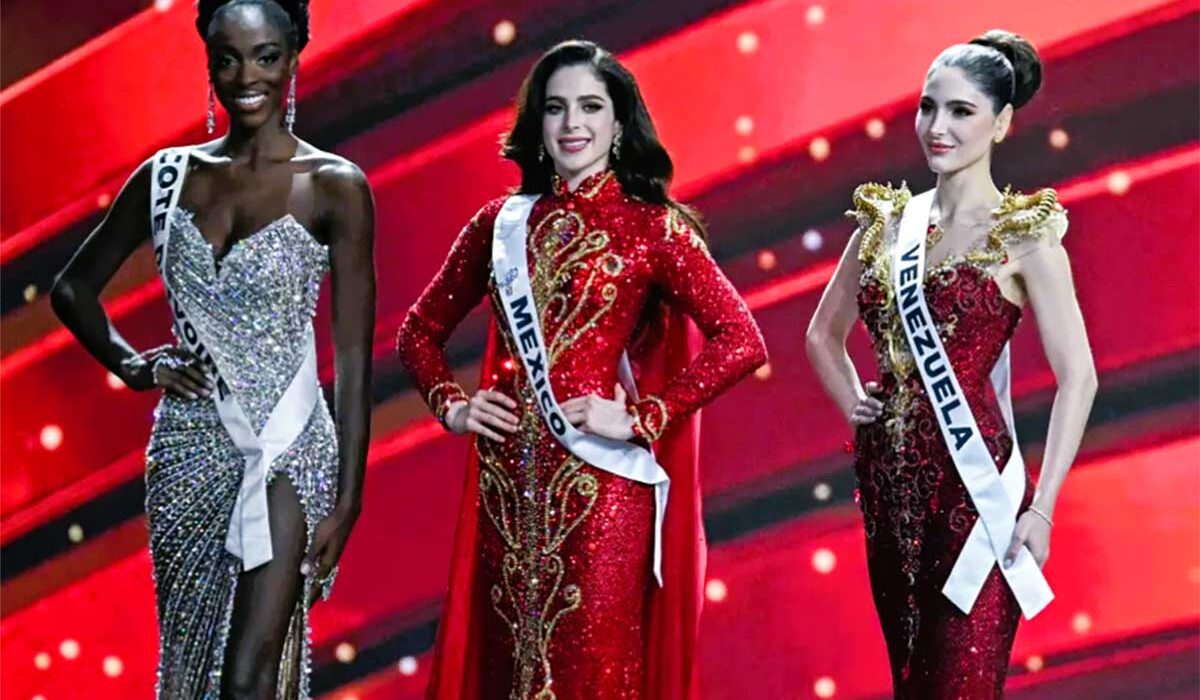
Miss Universe 2025 was meant to showcase global beauty, talent, and ambition. Instead, this year’s pageant raised uncomfortable questions about transparency, leadership, and fairness that now follow the organization and its new titleholder. While Mexico’s Fátima Bosch was officially crowned, a significant segment of fans and observers believe Côte d’Ivoire’s Olivia Yacé delivered the most complete performance and should have won, further intensifying scrutiny of how the competition was run.


A troubled road to the crown
According to multiple reputable entertainment and news outlets, tensions surfaced publicly before the final night. Reports describe an incident in which a Thai pageant figure involved in production criticized Bosch during the sashing ceremony and had her removed from the event, an episode that contributed to walkouts and visible discontent among some delegates and former titleholders. The optics undercut the brand’s long‑stated message of empowerment, leaving viewers to wonder how much respect contestants actually receive when cameras are not focused on the stage.
Concerns deepened when two appointed judges resigned shortly before the finale. One resigning judge has publicly claimed that a key cut to a Top 30 group was made without the official judging panel present, based on the decisions of others whose identities and criteria were not disclosed. The Miss Universe Organization has not been found liable in any court for wrongdoing, and it publicly maintains that the pageant followed its rules, but the lack of a detailed explanation about how different panels and producers influenced scoring has left a perception gap that simple press releases have not closed.
Olivia Yacé, fan expectations, and the visa comment
Into this credibility vacuum stepped Olivia Yacé of Côte d’Ivoire, already a beloved figure from her 2021 run at Miss World during which she was 2nd runner-up and widely seen by many fans as the complete Miss Universe package. Many pageant watchers argue that Yacé’s combination of stage presence, communication skills, and advocacy made her the natural winner. She placed in the top five and was later given the continental title of Miss Universe Africa & Oceania—only to publicly renounce that title days later, saying she could not continue under an arrangement that clashed with her principles of respect, excellence, and equality. For fans who believed Olivia Yacé should have walked away with the main crown, her public break with the organization felt like confirmation that something was deeply off.
In a separate interview, the current owner of the Miss Universe brand suggested that Yacé’s country of origin and related visa or logistical issues had been a factor in why she was not selected as the overall winner. That comment has been widely reported and discussed by international media and pageant analysts, who interpret it as an acknowledgment that non‑performance factors can influence who receives the crown. The organization has not issued a detailed point‑by‑point rebuttal of all criticisms, and there is no publicly available evidence that any individual judge violated the explicit scoring rules, but the owner’s remarks fueled the existing debate over whether the best‑performing candidate truly prevailed.
Ownership questions and communication breakdown
The recent history of the Miss Universe Organization adds another layer of complexity. In recent years, the brand’s ownership shifted from former U.S. owners to a Thai media group and then, after that group’s financial difficulties, to a structure that now includes a Mexican businessman as president and shareholder. Public reporting and commentary describe an evolving leadership arrangement in which responsibilities are shared among different partners and production teams, though the precise internal decision‑making structure has not been fully mapped out in official public documents.
This uncertainty around leadership seems to have been mirrored in communication with contestants. Several participants and judges have said to media outlets that they did not receive clear, timely explanations about changes in the scoring process or the role of different panels, and that questions about voting rules were sometimes met with limited responses. At the time of writing, no court or regulatory authority has ruled that Miss Universe engaged in fraud or unlawful practices, and the organization continues to operate and plan future editions. Still, the combination of resignations, contested explanations, and social‑media‑driven revelations has led many observers to call for stronger, more formal transparency measures.
A path back to credibility
For Miss Universe to rebuild trust with contestants, audiences, and national franchises, cosmetic changes will not be enough. Several practical steps could help restore confidence without making legal claims about past events:
- The organization could publish clear, detailed judging criteria and explain, in advance, how preliminary cuts are handled, including the roles of any internal selection committees and external judges.
- After the competition, it could provide a general overview of how scores from different stages were combined, without disclosing individual judges’ confidential scores, to demonstrate that results were consistent with the announced structure.
- A formal code of conduct for owners, national directors, and staff, including guidance on respectful treatment of contestants on and off stage, would signal that public confrontation and disparaging remarks are not acceptable.
- An independent advisory group, including former contestants and pageant professionals, could review procedures annually and publish non‑legal recommendations for improvement.
Miss Universe 2025 ended with many stakeholders questioning whether the process matched the brand’s stated ideals. Acknowledging those concerns, clarifying procedures, and prioritizing open communication would not rewrite this year’s result, but it would be a concrete step toward ensuring that future winners are celebrated for their achievements rather than overshadowed by doubts about how they were chosen.